
Compliance
FDA Labeling for Turkish Food and Beverage Brands
Facility registration, prior notice, allergen rules and the label panel itself. The compliance work that has to be finished before your first container ships.

Market Entry Lead
August 20, 2026 · 3 min read
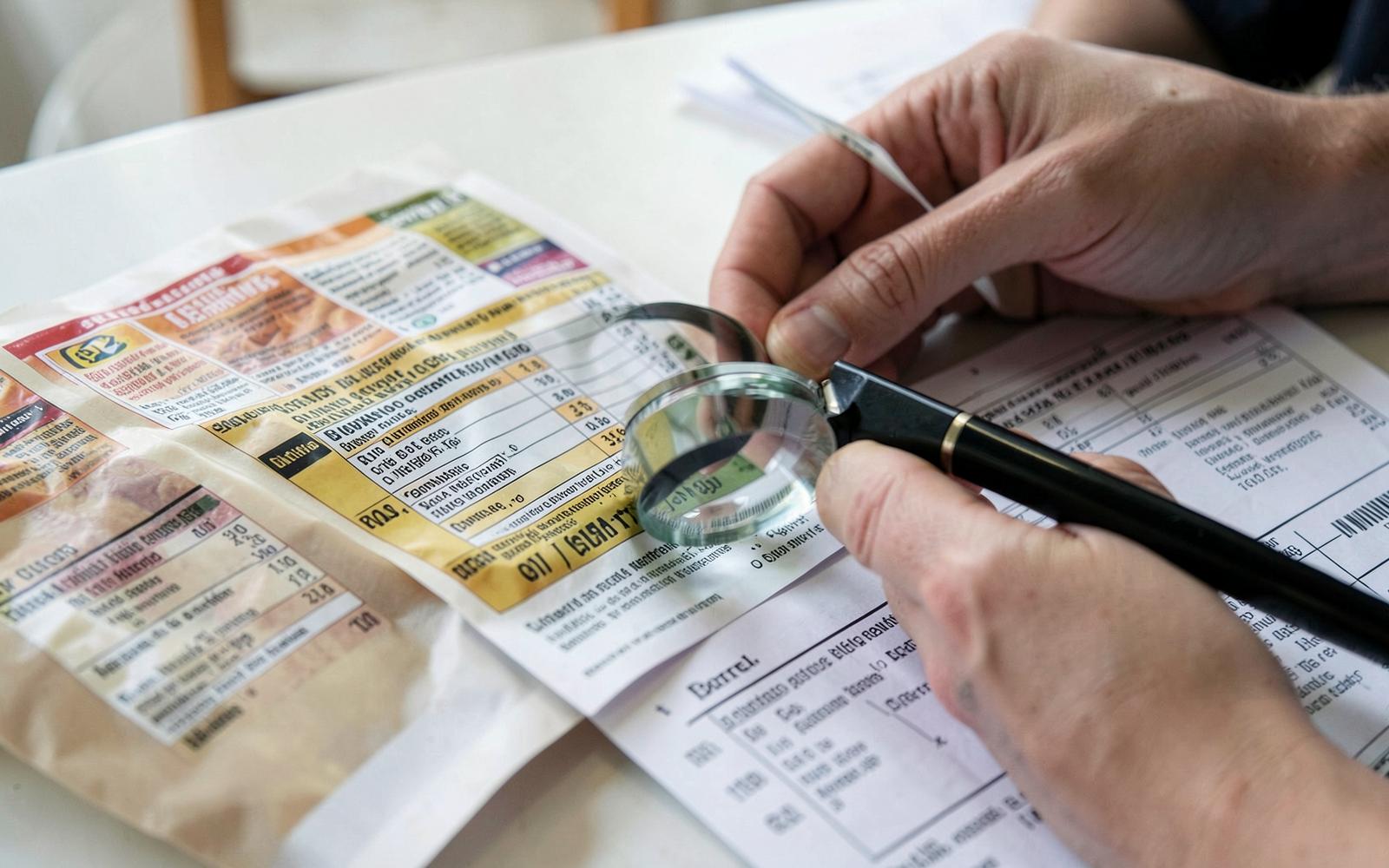
Food and beverage is the category where a launch most often stalls at the port. The product is fine; the paperwork is not. Almost all of it is knowable in advance.
Facility registration and a U.S. agent
Foreign facilities that manufacture, process, pack or hold food for consumption in the United States generally must register with the FDA and renew that registration on a set cycle. A foreign facility also needs a U.S. agent for FDA communications. This is a prerequisite, not a formality — an unregistered facility is a detention waiting to happen.
Prior notice for every shipment
The FDA requires prior notice of imported food shipments before arrival. This is normally filed by your customs broker or importer, but the responsibility for accurate data is yours. Product descriptions, manufacturer details and registration numbers must match what is on file.
The label panel
A U.S. food label is a specified layout, not a design choice. In broad terms you need:
- A statement of identity — what the product is, in plain English
- Net quantity of contents in both U.S. customary and metric units
- An ingredient list in descending order by weight, using U.S. common names
- Allergen declaration for the major allergens recognised in U.S. law
- Name and place of business of the manufacturer, packer or distributor
- A Nutrition Facts panel in the current U.S. format
The Nutrition Facts format used in the United States differs from the EU and Turkish formats in serving size rules, rounding, and which nutrients are declared. A translated EU panel is not compliant.
Allergens are the highest-risk item
U.S. allergen labeling rules and terminology do not map one-to-one onto Turkish or EU practice, and sesame is treated as a major allergen under current U.S. law. Cross-contact statements have their own rules. Allergen errors are the most common cause of recalls, and a recall in your first year is close to fatal for a small brand.
Claims invite scrutiny
"Natural," "healthy," organic references, structure/function claims and nutrient content claims are all regulated terms with specific conditions. Organic labeling requires certification under the U.S. National Organic Program; a Turkish or EU organic certificate does not automatically transfer. If a claim is central to your positioning, verify it before you print packaging.
Category-specific layers
- Dietary supplements have their own labeling and notification requirements
- Acidified and low-acid canned foods have additional process filing requirements
- Alcoholic beverages fall largely under a different agency with separate label approval
- Juice, seafood and dairy each carry additional plan or grading requirements
Practical sequence
- Confirm which agency and which rule set your product falls under
- Register the facility and appoint a U.S. agent
- Have a U.S. label review done by a specialist on a printed proof, not a design file
- Build the label into your packaging timeline — reprints are the expensive part
- Brief your customs broker with registration numbers and product data before the first shipment
- Keep a document pack: certificates of analysis, specification sheets, allergen statements
Budget the time, not just the money
Label review, packaging reprints and facility registration typically add six to twelve weeks to a launch timeline if they are started in sequence. Started in parallel with production planning, they add almost nothing. The cost of getting this wrong is a detained container, storage fees and a missed season.
This article is general information, not legal or regulatory advice. FDA requirements change and vary by product. Confirm your specific obligations with a qualified U.S. food regulatory consultant or attorney and your customs broker before shipping.
Elif Demir
Market Entry Lead
Elif writes about the paperwork layer of a U.S. launch: entity setup, importer of record, customs, labeling and category regulation. She works with founders on the sequence of filings that has to happen before a single unit clears the port.
All writers →